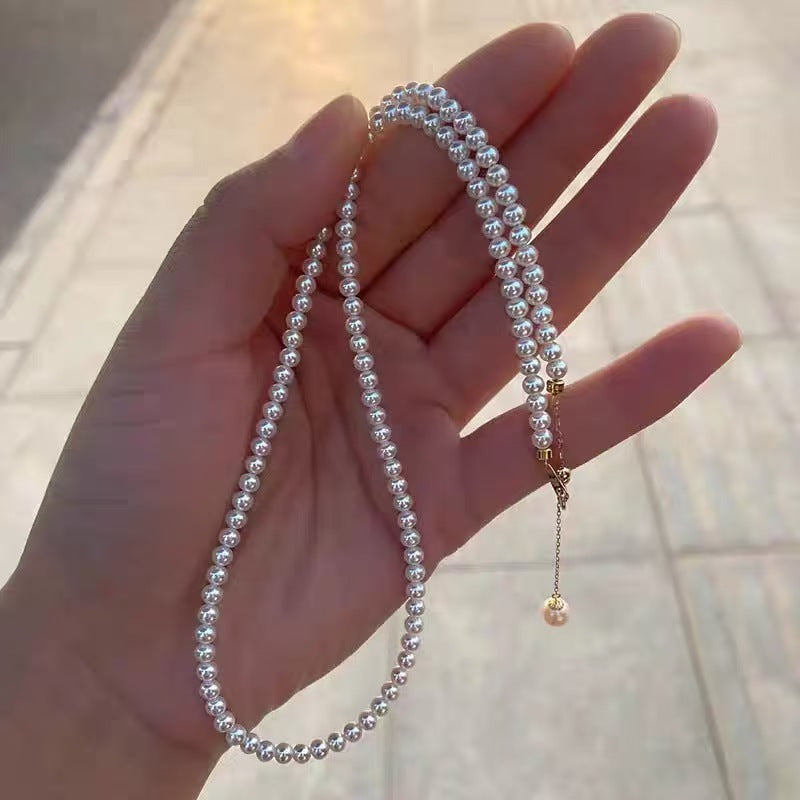
Golden Opulence: The Enchanting World of South Sea Golden Pearls
Among all the ocean’s treasures, few possess the regal allure and radiant warmth of the South Sea Golden Pearl. Often referred to as the "Queen of Pearls," these extraordinary gems are among the rarest and most sought-after cultured pearls in the world.
Whether you are a seasoned jewelry collector or looking for a timeless piece to elevate your style, here is everything you need to know about the gold standard of luxury.
What Makes Golden South Sea Pearls So Special?
Unlike typical freshwater or white pearls, Golden South Sea pearls are famous for their rich, natural golden hues and incredible depth of luster. Their exquisite beauty is driven by three main factors:
1. The Gold-Lipped Oyster (Pinctada maxima)
Golden South Sea pearls are produced by the gold-lipped Pinctada maxima, one of the largest pearl-producing oysters in the world. The natural lining of this oyster’s shell secretes a warm, golden nacre (mother-of-pearl) that coats the pearl over several years, imparting its signature sun-kissed color.
2. Natural Color and Superior Nacre
Unlike color-treated pearls, genuine Golden South Sea pearls derive 100% of their color naturally from nature. Because of their long growth period—typically 2 to 4 years in undisturbed waters—they develop exceptionally thick nacre. This creates a deep, satiny glow that reflects light with unmatched elegance.
3. Impressive Size
Thanks to the size of the host oyster, these pearls are significantly larger than traditional Akoya pearls:
-
Average Size: 9mm to 13mm
-
Rare/Exceptional Size: 14mm to 20mm+
Where Are Golden Pearls Cultured?
Creating a Golden South Sea pearl requires pristine ecological conditions. They are primarily harvested in the pristine, warm waters of Southeast Asia and the Indo-Pacific region:
-
The Philippines: Known for producing some of the deepest, richest "champagne" to 24K gold shades.
-
Indonesia: A major producer offering a wide spectrum of light golden and yellow hues.
-
Australia & Myanmar: Known for producing high-quality South Sea pearls, including white, cream, and deep yellow varieties.
Because these oysters are extremely sensitive to pollution and environmental changes, cultivating them requires strict marine conservation, making each harvest a true triumph of nature and sustainable craftsmanship.
The Golden Spectrum: Understanding Color Grades
Not all golden pearls are created equal. Their color intensity directly impacts their value and appeal:
| Shade | Description | Rarity & Value |
| Light Champagne / Yellow | Soft, subtle pastel yellow with delicate shimmer. | Highly accessible & versatile |
| Deep Gold | Rich, warm golden hue reminiscent of honey or 18K yellow gold. | Highly sought-after |
| 24K "Deep Imperial" Gold | Intense, dark golden hue with zero undertones. | The rarest & highest value |
Styling Your Golden South Sea Pearls
Golden South Sea pearls are surprisingly versatile. Their warm undertones complement a wide range of skin tones and metal settings:
-
Classic Glamour: Pair a bold Golden Pearl pendant or strand with an evening gown for timeless luxury.
-
Modern Chic: Wear single pearl drop earrings or a minimalist pearl ring with modern tailored suits or casual silk blouses.
-
Metal Pairing: They look divine set in 18K yellow gold for a monochrome look, or contrasted with white gold / platinum and diamonds for high-impact radiance.